Online slot demo has become a major part of modern digital life. Players can now enter virtual worlds, compete in real-time matches, cooperate with teammates, and communicate with people from different parts of the world. The rapid development of internet technology and gaming devices has transformed gaming from a traditional hobby into a global entertainment industry.
Today, online gaming appeals to casual players, competitive gamers, content creators, and professional esports athletes. Its influence continues to grow as developers introduce new technologies and creative experiences.
The Early Days of Online Gaming
Online gaming developed alongside computer networking and the expansion of the internet. Early multiplayer experiences were relatively limited because connections were slower and hardware had fewer capabilities.
As technology improved, developers created games capable of supporting larger numbers of players. This eventually led to persistent online worlds and sophisticated multiplayer platforms.
Faster Internet and Better Experiences
Internet connectivity has played a central role in online gaming. Fast and stable connections allow players to interact with game servers with minimal delays.
Modern networks have made real-time competitive gaming more practical. Players can participate in fast-paced matches where even small differences in timing can affect the outcome.
Gaming Across Different Devices
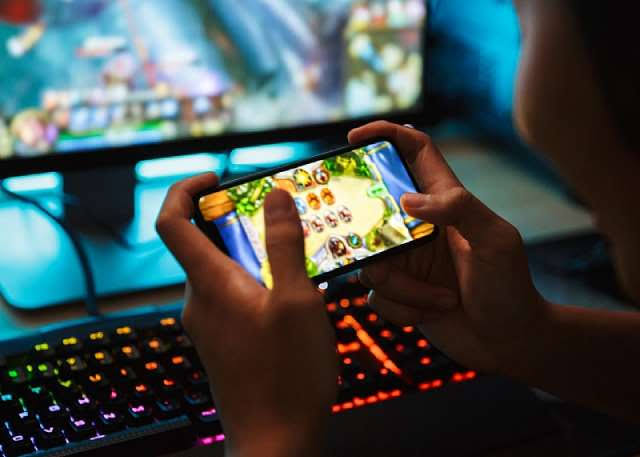
Online games are available on a wide range of platforms. Personal computers offer extensive customization, while consoles provide convenient entertainment systems. Smartphones and tablets have made gaming accessible to people who may not own dedicated gaming hardware.
Cross-platform support is also helping connect these different audiences by allowing players using different devices to play together.
Why Multiplayer Games Are Engaging
Multiplayer games offer an element of unpredictability that single-player experiences cannot always provide. Human opponents make decisions based on their own strategies, creating new situations in every match.
This encourages players to experiment, adapt, and improve. The competitive nature of many online games can also motivate players to set personal goals.
Cooperation and Teamwork
Online gaming is not always about defeating opponents. Many games require teams to work together to complete objectives.
Players may need to communicate quickly, share resources, protect teammates, or coordinate complex strategies. These systems make cooperation an important part of the gaming experience.
The Growth of Gaming Communities
Gaming communities have expanded beyond the games themselves. Players often participate in online discussions, share guides, create fan content, and organize community events.
These communities can provide useful information for beginners and give experienced players opportunities to exchange advanced strategies.
Esports and Competitive Gaming
Esports has become a major part of the online gaming ecosystem. Professional players compete in organized tournaments while audiences watch through streaming services and other digital platforms.
The professional scene includes much more than players. Coaches, analysts, commentators, event organizers, sponsors, and content creators all contribute to the growth of esports.
The Influence of Streaming
Gaming livestreams have changed the way people consume gaming content. Viewers can watch creators play games while interacting with them through live chat.
Streaming has also created new forms of digital entertainment. A creator’s personality, commentary, and interaction with viewers can be just as important as the game itself.
Mobile Gaming and Accessibility
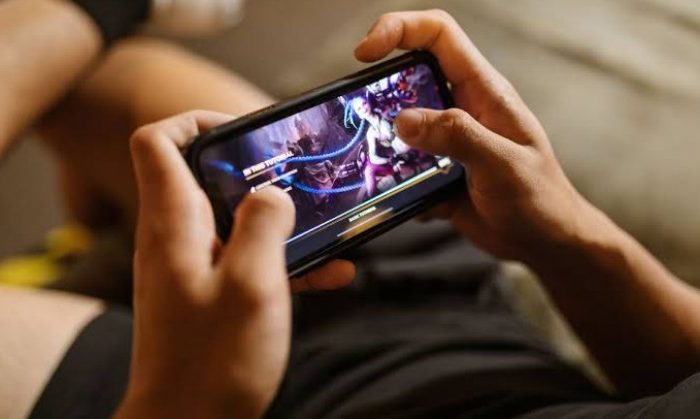
Mobile gaming has significantly expanded the online gaming market. Smartphones allow users to access multiplayer games without investing in expensive hardware.
Many mobile games are designed around short sessions, making them convenient for people with busy schedules. Improvements in mobile processors and graphics have also allowed developers to create more advanced experiences.
Artificial Intelligence in Games
Artificial intelligence is becoming an important tool for modern game development. Developers can use AI to improve virtual characters, matchmaking, testing, and personalization.
AI-powered systems may eventually create game environments that respond differently to every player, making experiences more dynamic and unpredictable.
Cloud Gaming Technology
Cloud gaming offers another approach to accessing digital games. Instead of requiring users to run demanding games entirely on their own hardware, remote servers can handle much of the processing.
This could make high-quality gaming more accessible, although performance still depends heavily on internet quality and service availability.
Benefits of Online Gaming
Online gaming can provide entertainment, social interaction, and opportunities to develop certain skills. Strategy games may encourage planning, while team-based games can require communication and cooperation.Gaming companies can use an Ai presentation maker to showcase game features, user engagement data, and digital growth strategies.
Gaming can also help people maintain friendships when they live in different locations. Playing together provides a shared activity that can strengthen social connections.
Challenges and Online Risks
Online gaming also has potential disadvantages. Excessive gaming may interfere with sleep, work, education, exercise, or relationships.
Players may also encounter cyberbullying, harassment, scams, cheating, and inappropriate content. Using privacy settings, strong passwords, and reporting features can help create a safer gaming environment.
The Importance of Gaming Balance
Responsible gaming means maintaining a healthy balance between digital entertainment and other activities. Players should take regular breaks and make time for sleep, exercise, work, education, and offline relationships.
Managing in-game spending is equally important. Players should understand virtual purchase systems and avoid spending beyond their personal limits.
The Future of Online Gaming
The future of online gaming will likely involve greater integration of artificial intelligence, virtual reality, augmented reality, cloud services, and high-speed networks.
Games may become more immersive and personalized, while cross-platform systems could create larger communities that are not restricted by individual devices.
Conclusion
Online slot has evolved into a connected digital world where people can compete, cooperate, communicate, and create. Technological advancements have made gaming more accessible, while esports and streaming have expanded its influence beyond traditional gameplay.
As innovation continues, online gaming will likely remain a major part of global entertainment. Its future will depend on combining engaging experiences with responsible gaming, strong security, and healthy digital habits.